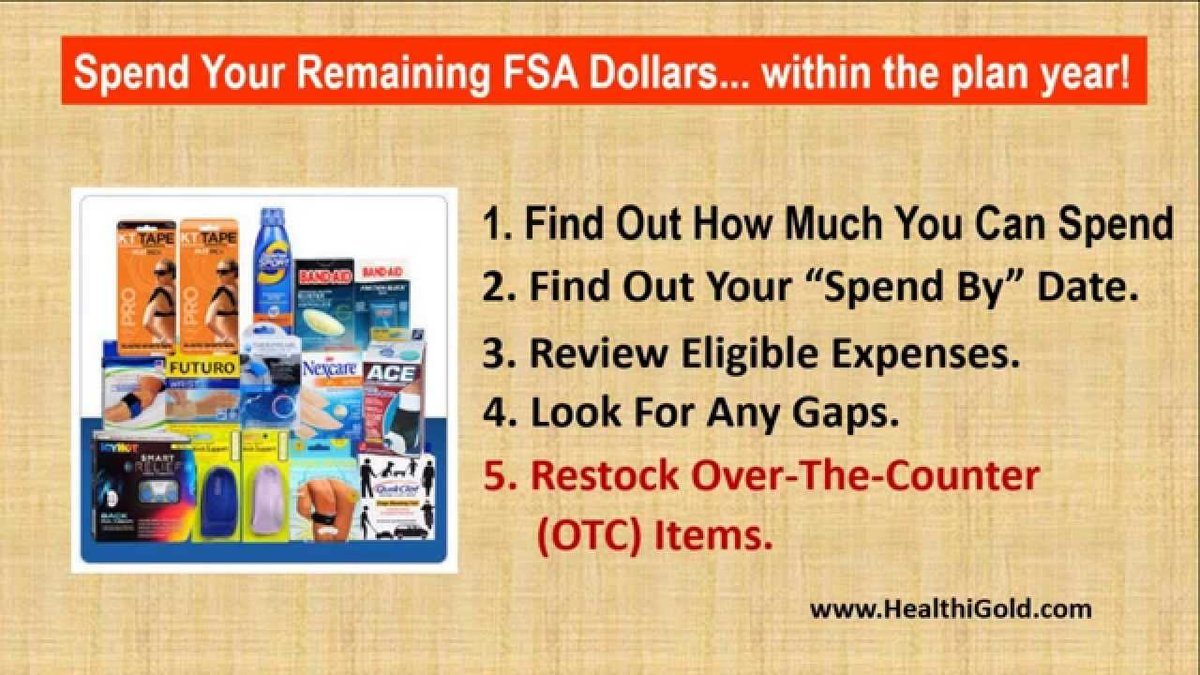
Navigating healthcare costs can feel like traversing a labyrinth, even with helpful tools like a Flexible Spending Account (FSA) at your disposal. The good news is, your FSA funds, accumulated through pre-tax deductions, are designed to cover a broad spectrum of common medical items and services, making that labyrinth a little easier to manage. In the US, healthcare spending topped an astounding $14,500 per capita in 2023, underscoring just how critical it is to maximize every dollar you save. Understanding eligible expenses for FSA funds isn't just about saving money; it's about smart financial planning for your family's well-being.
This guide cuts through the jargon, offering a clear, comprehensive, and trustworthy look at what you can confidently spend your FSA dollars on, along with crucial insights into common misconceptions and documentation requirements.
At a Glance: Key Takeaways for Your FSA Funds
- Broad Coverage: Most common medical, dental, and vision expenses for you, your spouse, and dependents are eligible.
- OTC Expansion: Thanks to the CARES Act, many over-the-counter medications and menstrual products are now FSA-eligible without a prescription.
- Letter of Medical Necessity (LMN): For certain items like weight-loss programs or specific supplements, an LMN from a healthcare provider can make them eligible.
- Ineligible Items: General wellness (gym memberships), vitamins (without an LMN), and everyday hygiene products are typically not covered.
- Tax Benefits: FSA withdrawals for eligible expenses are completely tax-free, offering significant savings.
- Documentation is Key: Always keep your receipts, even if you use an FSA debit card, as proof of purchase may be required.
Unlocking Your FSA: The IRS Rules You Need to Know
Flexible Spending Accounts are a powerful financial tool, allowing you to set aside pre-tax money for qualified medical expenses. This means every dollar you put into your FSA avoids federal income tax, Social Security, and Medicare taxes, effectively giving you a discount on your healthcare spending. The catch? The Internal Revenue Service (IRS) strictly defines what counts as a "qualified medical expense." Their comprehensive guide, "Publication 502, Medical and Dental Expenses," is the ultimate authority, outlining exactly what promotes "proper bodily function" or prevents/treats illness or disease.
While the rules are set by the IRS, your specific FSA administrator might have their own nuanced interpretations or requirements, so it's always wise to double-check their guidelines. If you're weighing your options, understanding the breadth of coverage is key to determining Should you get an FSA?.
The Usual Suspects: Common Qualified Medical Expenses
Let's dive into the core categories of expenses that typically sail through as FSA-eligible. These are the expenses you probably already anticipate, covering everything from your annual check-up to more significant medical events.
Doctor Visits, Hospital Stays & Specialized Care
This is the bread and butter of medical spending, and thankfully, your FSA has you covered.
- Appointments & Consultations: Fees for general practitioners, surgeons, specialists (dermatologists, cardiologists, etc.), chiropractors, therapists, and psychologists.
- Hospital Services: Costs associated with hospital stays, operating room fees, and nursing services.
- Lab Work & Diagnostics: X-rays, blood tests, MRIs, and other diagnostic procedures.
- Surgery & Anesthesia: Expenses directly related to surgical procedures.
Prescription Medications: From Daily Doses to Acute Treatments
Any medicine prescribed by a healthcare provider, whether it's a chronic medication or an antibiotic for a temporary illness, is generally FSA-eligible. This includes:
- Prescription Drugs: Standard prescription medications.
- Insulin: A vital expense for individuals managing diabetes.
Medical Equipment & Devices: When You Need Assistance
If it's medically necessary and primarily for the treatment or prevention of illness, odds are your FSA will cover it.
- Mobility Aids: Crutches, wheelchairs, walkers.
- Respiratory Support: CPAP machines and supplies for sleep apnea.
- Diabetic Supplies: Blood glucose meters, test strips, lancets (beyond insulin itself).
- Hearing Aids: Devices and maintenance for hearing impairment.
Preventive Care: Investing in Future Health
Your FSA encourages proactive health management, covering a wide array of preventive services.
- Routine Check-ups: Annual physicals.
- Vaccinations: Flu shots, tetanus boosters, travel vaccines, etc.
- Screenings: Mammograms, colonoscopies, prostate screenings.
- Health Programs: Smoking cessation programs (if medically necessary, often with an LMN).
Physical Therapy & Rehabilitative Services
If you're recovering from an injury or managing a chronic condition, your FSA can ease the financial burden of these therapies.
- Physical Therapy: Sessions with licensed physical therapists.
- Chiropractic Care: Treatments provided by licensed chiropractors.
- Occupational Therapy: Services to help regain daily living and work skills.
Dental Care: Beyond a Bright Smile
From routine maintenance to more complex procedures, dental health is a clear FSA win.
- Routine Cleanings & Exams: Annual or semi-annual check-ups.
- Fluoride Treatments: For cavity prevention.
- Fillings, Crowns, & Bridges: Restorative dental work.
- Braces & Orthodontia: For corrective dental alignment.
- Denture Adhesives & Cleaners: Essential for denture wearers.
Vision Care: Seeing Clearly with FSA Support
Don't let vision costs blur your budget.
- Eye Exams: Routine check-ups to assess vision and eye health.
- Eyeglasses: Prescription glasses, including frames and lenses.
- Contact Lenses & Solution: Lenses and the solutions needed to care for them.
- Laser Eye Surgery: Procedures like LASIK or PRK.
Family Planning & Maternity: Supporting Life's Milestones
Many expenses related to family planning and the journey of parenthood are FSA-eligible.
- Birth Control Pills & Devices: Prescription contraceptives.
- Fertility Treatments: In-vitro fertilization (IVF) and other fertility services.
- Pregnancy Tests: Over-the-counter tests.
- Postpartum Care: Breast pumps, breastfeeding supplies, and lactation consultant fees.
Health Care–Related Travel: Getting Where You Need to Go
When medical care requires travel, certain associated costs can be eligible.
- Transportation: Ride-shares, bus, train, or plane fares for medical treatment (subject to limits).
- Lodging: Hotel expenses for necessary overnight stays away from home for medical care (subject to limits and conditions, usually up to $50 per person per night).
- Meals: If part of inpatient hospital care.
Remember, for many of these, you'll need to know the process for submitting FSA claims and keep diligent records.
OTC & Daily Essentials: Thanks, CARES Act!
The CARES Act of 2020 was a game-changer for FSA users, expanding the list of eligible over-the-counter (OTC) products. This means you no longer need a doctor's prescription for many common health items, making everyday wellness more accessible with pre-tax dollars.
Pain Relief & Fever Reducers
Stock your medicine cabinet with these staples.
- Pain Relievers: Ibuprofen (e.g., Advil), acetaminophen (e.g., Tylenol), aspirin, naproxen (e.g., Aleve).
- Children's Pain & Fever Meds: Kids' versions of the above.
- Topical Pain Relievers: Creams and patches for muscle aches.
Cold, Flu & Allergy Season Essentials
Combat seasonal sniffles and sneezes with FSA funds.
- Decongestants: Nasal sprays and oral medications.
- Cough Syrups & Drops: For soothing coughs and sore throats.
- Allergy Medications: Antihistamines like loratadine (e.g., Claritin), cetirizine (e.g., Zyrtec), fexofenadine (e.g., Allegra).
Digestive Health & Heartburn Relief
Keep your gut happy without dipping into post-tax funds.
- Antacids: Tums, Rolaids.
- Laxatives: For constipation relief.
- Anti-diarrheal Medicines: Imodium, Pepto-Bismol.
First-Aid Kits & Supplies: Prepared for Anything
Essential for minor injuries and monitoring health.
- Bandages & Gauze: All shapes and sizes.
- Antiseptic Wipes & Sprays: For wound cleaning.
- Antibiotic Creams/Ointments: Neosporin.
- Thermometers: Digital, forehead, or ear thermometers.
- Pre-made First-Aid Kits: Many comprehensive kits are eligible.
Menstrual Care Products: A Long Overdue Addition
This category, made eligible by the CARES Act, includes a range of products supporting menstrual health.
- Tampons & Pads: Disposable menstrual products.
- Menstrual Cups: Reusable options.
- Period Underwear: Specialized absorbent underwear.
- Heating Pads: For menstrual cramp relief.
Acne Medication & Skin Treatments
Address skin concerns with eligible products.
- Acne Cleansers, Gels, & Creams: Medicated products for treating acne.
- At-home Light Therapy Kits: For acne treatment.
Sunscreen: Your Skin's Best Friend
Protecting your skin from harmful UV rays is a qualified expense.
- Broad-Spectrum Sunscreen: Must protect against both UVA and UVB rays and have an SPF of 15+.
- Lip Balm with SPF: Essential for lip protection.
When a Little Extra Documentation Helps: The Letter of Medical Necessity (LMN)
Some expenses that might initially seem ineligible can become qualified with proper documentation. This often comes in the form of a Letter of Medical Necessity (LMN). An LMN is a written statement from your healthcare provider (doctor, chiropractor, nurse, therapist, psychologist, etc.) detailing:
- Your specific diagnosis.
- The medical need for a particular therapy, device, or item.
- How the item/service will treat your medical condition.
- The recommended duration of treatment.
Even if an item is on an eligible list, your FSA administrator may still request an LMN, especially for less common or "gray area" expenses. Always keep this in mind when making purchases.
Here are common categories that often require an LMN:
Weight-Loss Programs
While a general gym membership is typically ineligible, a doctor-prescribed weight-loss program specifically to treat a diagnosed medical condition (like obesity, heart disease, or diabetes) can be eligible. The LMN must clearly state the medical condition and how the program is part of your treatment plan.
Special Goods and Supplements
Most vitamins and dietary supplements are generally not eligible. However, if your doctor diagnoses a specific medical condition (e.g., vitamin deficiency requiring high-dose supplements, specific dietary needs for an allergy) and prescribes a particular supplement or specialized food as treatment, an LMN can make it eligible.
Accessibility Home Modifications
Modifications made to your home primarily for medical care can qualify. This includes:
- Wheelchair Ramps: Installing ramps for mobility access.
- Grab Bars: In bathrooms or other areas for safety.
- Wider Doorways: To accommodate wheelchairs.
These require an LMN stating the medical necessity. Keep in mind that any increase in your home's value due to these improvements must be factored in; only the medical expense portion is eligible.
Lead-Based Paint Removal
If a child living in the home has lead poisoning, and removing lead-based paint is prescribed as a treatment, the cost of removal can be eligible with an LMN.
The Exceptions: Insurance Premiums (Mainly for HSAs)
This is an area where FSAs and HSAs diverge significantly. Generally, health insurance premiums are not qualified medical expenses for FSAs. However, HSAs have specific exceptions where funds can be used for premiums:
- Long-Term Care Insurance: Up to IRS-set annual limits based on age.
- Health Care Continuation Coverage (COBRA): If you're utilizing COBRA benefits after leaving a job.
- Health Care Coverage While Receiving Unemployment Benefits: Another specific scenario.
- Medicare or Other Health Care Coverage Premiums for Individuals 65 or Older: This excludes Medicare supplemental policies (Medigap), which are generally not eligible.
It's a critical distinction to understand when you understand the key differences between FSAs and HSAs and how you plan to use each account.
What's NOT Eligible: Common Misconceptions to Avoid
Just as important as knowing what is eligible is understanding what isn't. These are common traps that can lead to denied claims. The IRS's guiding principle is that an expense must be primarily for medical care, meaning it treats or prevents illness or disease, or affects a structure or function of the body.
General Fitness Expenses
- Gym Memberships: Unless prescribed by a doctor for a specific medical condition and supported by an LMN, regular gym memberships are not eligible.
- Workout Equipment: Treadmills, weights, yoga mats, etc., are considered general wellness items.
Vitamins and Supplements (Without LMN)
- Daily Multivitamins: Taken for general health, not for a specific medical condition.
- Herbal Supplements: For general well-being or performance enhancement.
Cosmetic Procedures & Non-Medical Items
- Cosmetic Surgery: Procedures purely for aesthetic reasons (e.g., liposuction, hair transplants) are typically ineligible unless they are necessary to correct a deformity arising from a congenital abnormality, injury, or disfiguring disease.
- Teeth Whitening: Considered cosmetic.
- Non-prescription Sunglasses: Fashion accessories, not medically necessary vision correction.
Personal Hygiene Products
- Toothpaste & Toothbrushes: Everyday oral hygiene.
- Deodorant & Shampoo: Basic personal care items.
- Lotion & Soap: Unless specifically medicated for a diagnosed skin condition with an LMN.
Alternative Therapies (Often with Caveats)
Many alternative therapies like acupuncture or chiropractic care are eligible if performed by a licensed professional. However, some less conventional therapies may require an LMN or may not qualify at all if they are not widely recognized as medical treatment. Always verify with your FSA administrator before incurring costs.
Navigating Reimbursement & Documentation Best Practices
Even with a clear understanding of eligible expenses, successful reimbursement hinges on proper execution. Here's how to ensure your claims go smoothly:
- Keep Meticulous Records: Always, always save your receipts. Even if you use an FSA debit card (which often approves eligible purchases automatically), your administrator can request receipts for verification. These receipts should clearly show:
- Date of service/purchase
- Description of the item/service
- Amount paid
- Provider or merchant name
- Patient's name (if applicable)
- Understand Your FSA Debit Card: Many FSAs provide a debit card for direct payment. This makes purchases convenient, but it doesn't eliminate the need for receipts. The card might automatically verify common eligible expenses (like at pharmacies), but for services or unusual items, a receipt request is common. Know how to effectively use your FSA debit card to avoid issues.
- LMNs are Your Ally: If you anticipate needing an LMN, get it before the service or purchase if possible. Keep a copy for your records and submit it to your FSA administrator when required.
- Use Available Tools: Some FSA providers, like Fidelity, offer convenient tools like the Fidelity Health® App, which allows you to scan product barcodes to check eligibility on the spot. These can be invaluable for making informed decisions while shopping.
- Be Mindful of Deadlines: FSAs typically operate on a "use-it-or-lose-it" basis, meaning funds expire at the end of the plan year (though many plans offer a grace period or a limited rollover amount). Understanding how FSA rollover and grace period rules work is crucial to avoid the 'use-it-or-lose-it' trap. Plan your spending strategically, especially towards the end of your plan year.
Beyond the Basics: Planning for Your FSA Contributions
Now that you have a firm grasp on what's eligible, you're better positioned to plan your FSA contributions for the year. The IRS sets the annual contribution limits for your FSA, which can change each year. When deciding how much to contribute, look at your past year's medical, dental, and vision expenses, consider any upcoming planned procedures (like braces or LASIK), and factor in those everyday OTC purchases.
By proactively managing your FSA and understanding the intricate landscape of eligible expenses, you're not just saving money; you're taking control of your healthcare finances and ensuring your family's well-being is supported every step of the way. With this knowledge, you can confidently strategies to maximize your FSA benefits throughout the year.